


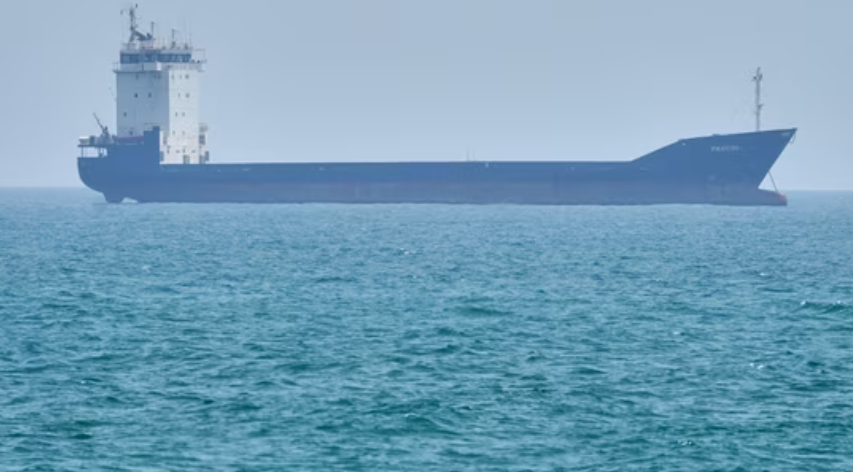
After weeks of escalating tensions between Iran and the United States, the Strait of Hormuz has become a flash point. The US has stepped up its naval security of commercial shipping moving through the strategic waterway while Iran is said to be mulling a major economic step that could alter global energy commerce.
Reportedly, Iran is going to slap compensation damages on vessels that use the Strait of Hormuz as punishment for the conflict. These proposed tariffs could raise the price of USD 40 billion to USD 50 billion per year, in the process helping Tehran to compensate for the effects of long-standing American economic sanctions.
The key part of the proposal involves Iran’s plans to receive the payments in Chinese yuan rather than USD. This is generally viewed as a step towards enhancing economic relations with China and limiting the dependence on the US-dominated global financial framework. Some ships reportedly from China, India and Japan have already paid under unofficial deals and the Iranian parliament is pushing for the officialisation of the policy.
The development comes as the OPEC alliance has its current challenges, such as the UAE’s departure from the organisation. Iran’s tariff system in yuan might diminish the long-standing “petrodollar” policy, which has been used since the 1970s to conduct oil commerce worldwide in US dollars.
If the policy is effective, it would have a significant impact on regional power dynamics, moving more economic weight towards Asian markets, and away from traditional Western dominance in global energy trade.