


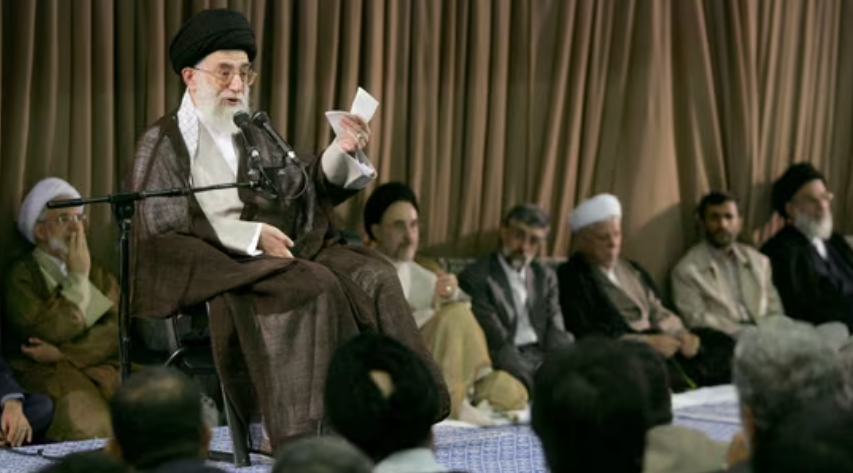
Fresh explosions in Dubai have been reported hours after Iran vowed ‘most ferocious’ operation against US and Israel bases in response to the killing of Supreme Leader Ayatollah Ali Khamenei and his family in US-Israel joint strikes.
In response to joint US and Israeli air strikes, Iran has decided to close the world’s most important sea route, the Strait of Hormuz. According to reports, Iran has initiated a blockade of this strategic route and is sending radio messages to ships passing through, warning them to stop. This passage, connecting the Persian Gulf and the Indian Ocean, is only 50 kilometers wide, making it very easy for Iran to block it. According to sources, given the tensions in the region, the US has also advised its merchant ships to stay away from this area of the Gulf.
Amid the joint Israeli-American offensive, Iran has taken a significant decision to close the Strait of Hormuz, the world’s most famous strait. The closure of this route could lead to a global oil shortage and a rise in prices.
The joint Israeli-American attack has created a stir in the Middle East. In these tense circumstances, the Strait of Hormuz, a passageway through the Middle East, has once again come into the spotlight. It is a narrow sea route (for crude oil). The Strait of Hormuz is considered a narrow sea corridor. It is the main entry gate to the Persian Gulf. It lies between Iran in the north and the United Arab Emirates and Oman in the south. It is, in a way, a link between the Persian Gulf and the Indian Ocean.
The Strait of Hormuz is approximately 100 miles (161 km) long. This passage narrows at about 21 miles. The navigation lane here is only two miles wide. Due to its shallow waters, ships are vulnerable to naval mines. Ships are also vulnerable to shore-launched missiles, patrol craft, and helicopters.
Join our whatsapp group for Latest updates
Click Here for Chhattisgarh News
Click Here for Entertainment News