


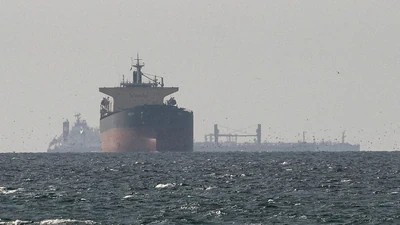
Iran is also said to be charging up to 2 million dollars to some vessels transiting the Strait of Hormuz over geopolitical tension in the region. The relocation that is termed as one of the new tactics of taking control of the strategic waterway has caused alarm in the global energy markets as well as shipping industries.
Iranian lawmaker Alaeddin Boroujerdi claimed that the resolution represents the expenditure of the current conflict and is an indication of a change towards what he called a so-called sovereign regime that will control the strait. He pointed out that the policy has already been put into operation, a major break with decades of comparatively liberal sailing in the area.
Strait of Hormuz is among the most significant sea paths in the world where some large percentage of the global oil supply is passed on a daily basis. Any interference or extra charge charged on traffic transit has the possibility to interfere in energy prices and international trade.
Boroujerdi was also quick-tempered in reaction to the warnings issued by Donald Trump, who had allegedly threatened to open the strait. The Iranian leader, in a powerful phrase, implied that the energy infrastructure of Israel would be targeted in case the tension would be increasing.
It is developed at the time when military and political tensions between Iran, the United States, and its allies have increased. According to analysts, this may only deepen tension between international relations and instability in the international energy markets since the region is on the alert.