


With increasing tensions in the Middle East, Donald Trump has suggested that the United States could not be severely affected by an interruption of the Strait of Hormuz, as global energy markets would be puzzled.
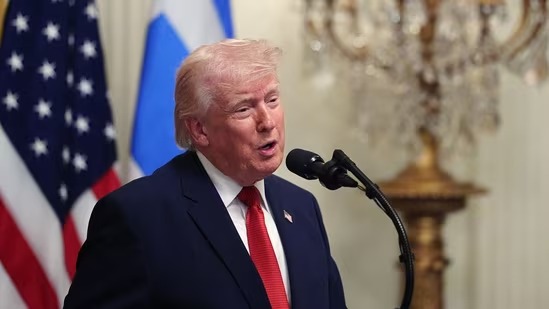
Speaking at a press conference at the White House, Trump announced a provisional suspension of actions against Iran’s energy infrastructure until April 6 and the postponement of the Hormuz deadline. In his effort to address concerns about the strategic waterway, he indicated that the US is not as reliant as its allies.
The European partners, too, were not spared from the wrath of Trump, who accused them of not being supportive enough in the current confrontation with Iran. He has pointed out that the US has been a major contributor to the defense of Europe, especially as a member of the NATO coalition, yet it does not receive similar patronage in return.
The Strait of Hormuz is still one of the most important energy bottlenecks in the world, as about a fifth of global oil and gas is transported through it. Its online shutdown of the conflict has already caused numerous disruptions, with several nations already reporting shortages of fuel and cooking gas.
This has heightened global discussion of energy supply security as markets respond to supply constraints and geopolitical uncertainties. Although it might be true that the US is comparatively less dependent on the route because it produces its own energy, most countries in certain parts of the world, especially Asia and Europe, are more susceptible to long-term disruptions.
Trump’s comments are in response to conflicting stories about the possibility of diplomatic involvement. The US has indicated that there will be further discussions, but Iranian authorities have rejected the idea, creating additional uncertainty in an already hostile situation.
The world community is keeping a close eye on events that may have both economic and geopolitical impacts unparalleled since tensions have been building.
Join our whatsapp group for Latest updates