


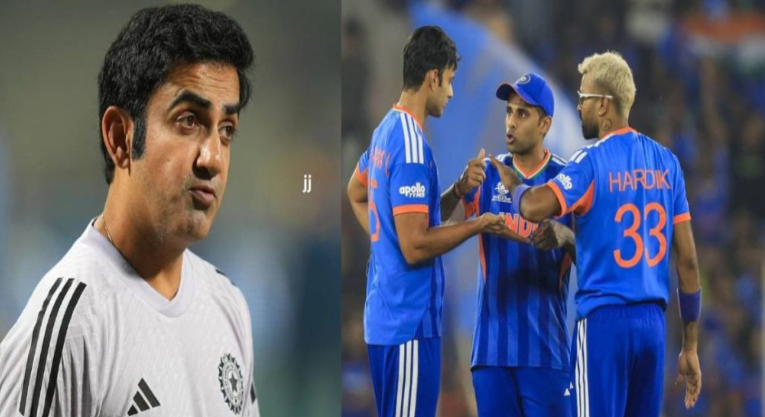
As the T20 World Cup 2026 shifts into high gear, Team India finds itself in a familiar yet precarious position. After a clinical group stage where Suryakumar Yadav’s men remained unbeaten with a 4-0 record, dismantling the likes of Pakistan and the USA, the “Men in Blue” have officially entered Group 1 of the Super 8s. However, standing between them and the semi-finals are the ghosts of 2009—a tournament that remains a dark chapter in Indian cricket history.
The 17-Year Echo
In 2009, India entered the Super 8s as defending champions, only to be unceremoniously knocked out after losing all three matches to South Africa, England, and the West Indies. Fast forward 17 years to 2026, and the script feels eerily similar. India is once again the defending champion (having won in 2024), and their Super 8 group features two of the exact same powerhouses that orchestrated their downfall nearly two decades ago: South Africa and the West Indies.
The Looming Threats
The “shadow” haunting India isn’t just the opposition, but a specific technical vulnerability that has resurfaced. In 2009, it was the short ball that undid the Indian batting lineup. In 2026, analysts have identified off-spin as the new Achilles’ heel. With a top order packed with left-handers, India has struggled against off-spinners throughout the group stage, scoring at a dismal rate of just 6.23 runs per over.
T20 World Cup: The Road Ahead
India’s path to redemption begins on February 22 in Ahmedabad against South Africa, followed by a clash with a dangerous Zimbabwe side, and a final Group 1 showdown against the West Indies at Eden Gardens. To avoid a repeat of the 2009 disaster, India must prove they have evolved. While the form of players like Ishan Kishan and Varun Chakaravarthy provides hope, the memory of 2009 serves as a stark reminder: in the Super 8s, momentum can vanish in a single session.
Join our whatsapp group for Latest updates
Click Here for Chhattisgarh News
Click Here for Entertainment News