


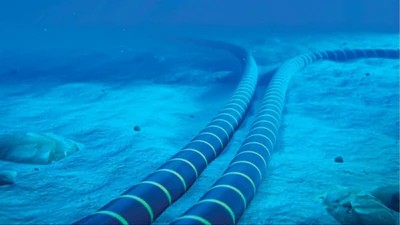
Amid the escalating conflict in West Asia involving Iran, the United States, and Israel, global concerns are rising over potential disruptions to internet connectivity due to possible damage to undersea cables in the Red Sea. While there has been no official confirmation from Iran regarding any intent to target submarine communication lines, warnings circulating on social media platforms have amplified fears of such an event.
The concern is not unfounded. In September 2025, several undersea fibre-optic cables in the Red Sea were accidentally severed when a commercial vessel reportedly dragged its anchor across the seabed. The incident disrupted internet services across multiple regions, particularly in West Asia and South Asia, highlighting the vulnerability of global communication networks.
With tensions intensifying and the involvement of Iran-backed Houthi forces, the risk of deliberate sabotage has become a growing worry. The Houthis have previously issued threats suggesting they could target these critical cables, raising alarms among international observers and communication experts.
According to the International Cable Protection Committee, four major cable systems were affected during the 2025 incident, including the India-Middle East-Western Europe (IMEWE) cable and the Europe India Gateway. These networks are vital for global data transmission and connect multiple continents.
Experts note that while most cable faults are caused by accidental factors such as fishing activities or anchors, the current geopolitical climate introduces the risk of intentional disruption. For India, any damage to these cables could lead to slower internet speeds, service outages, and disruptions in financial and communication services.
As the conflict continues, safeguarding these critical infrastructures has become a global priority.