


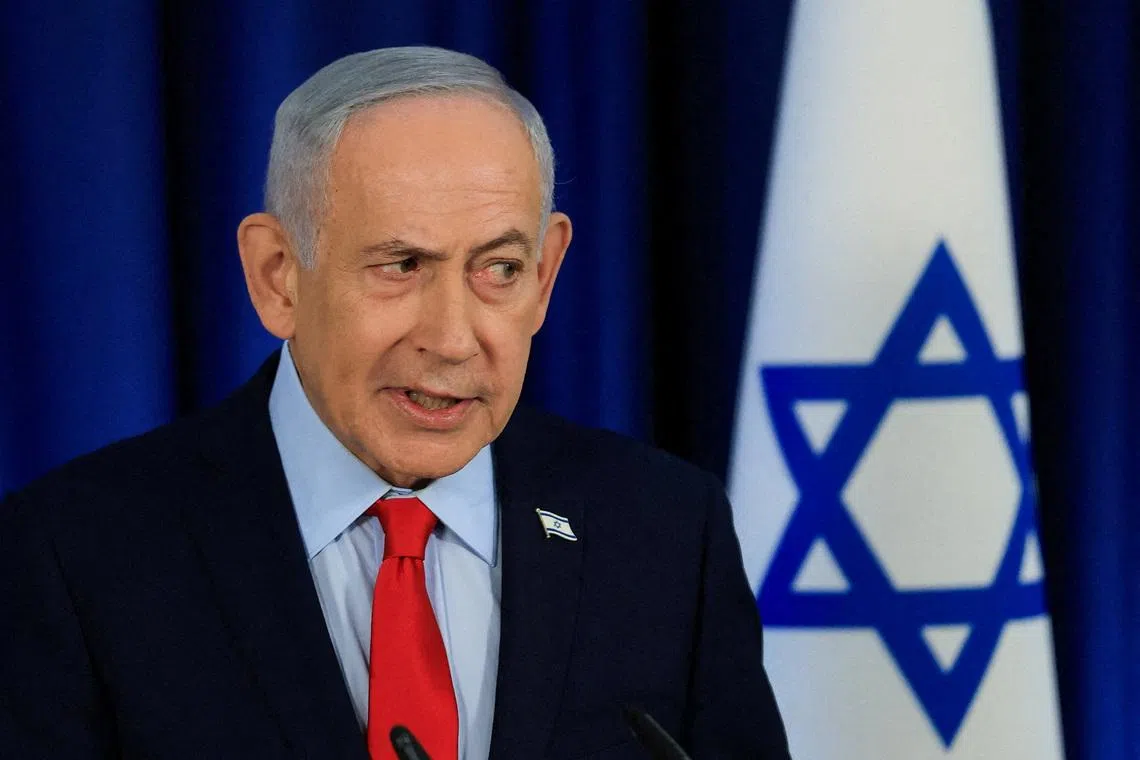
Parliament members Tuesday chose opposition select Matan Kahana to be speaker, a decisive political move that marked a large step toward denying Israeli caretaker Prime Minister Benjamin Netanyahu his political seal of approval and the first crack at threatening his political legacy.
An opponent of former military chief Gadi Eisenkot, Kahana won 66 votes in the Knesset’s 120-seat chamber. Netanyahu’s Likud party had put forward Ofir Katz, who got 52 votes in the parliamentary election.
The position of the Opposition speaker has a significant political status, and determines when Parliamentary proceedings are conducted. The officeholder has the power to speed up or slow down discussion on a bill, and to anticipate voting on it, and thus his role is quite significant in an uncertain political era.
The 54-year-old former special forces member is likely to start seeking to set aside a number of Netanyahu’s policies as early as Wednesday. Eisenkot will have until next month to put together a government capable of replacing the country’s longest serving prime minister.
Election of speaker also showed increasing political polarization of the two competing circles. In the October 27 elections, neither leader, Eisenkot nor Netanyahu, managed to win a parliamentary majority, and are thus trying to create a parliamentary coalition.
Eisenkot’s wide-ranging opposition coalition gained 48 seats and Netanyahu’s men took 53. In the meantime, two political coalitions dominated by Arabs defiant of the hard right Netanyahu government took an unprecedented 19 seats of the 199.
Tuesday’s vote came after a tarnished parliamentary debate which had made tensions between the two political polarities even more evident.
Kahana’s election signals a potential change in Israel’s political direction, but the next challenge will be to put a new government together.