


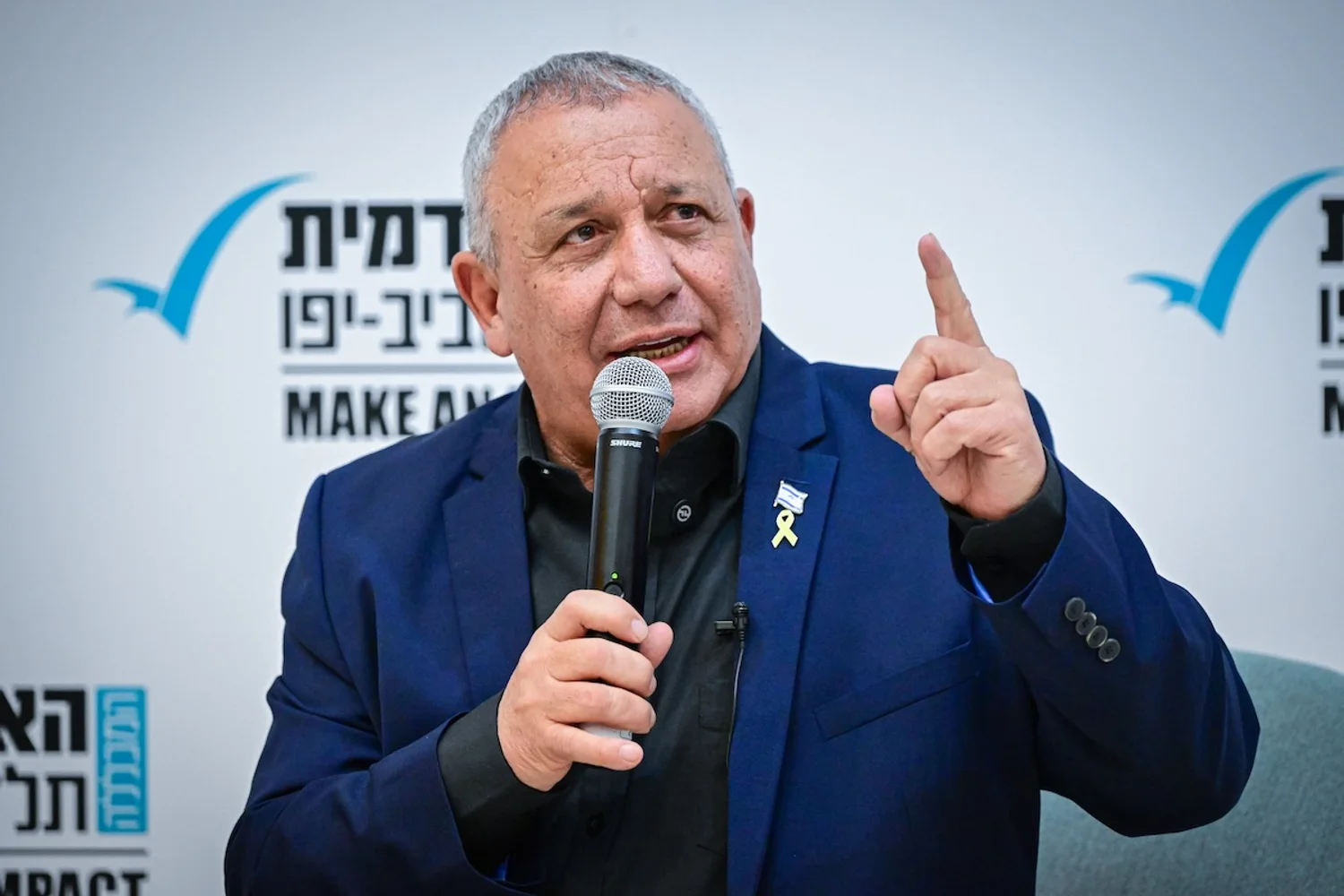
Gadi Eisenkot has been handed the first chance to form Israel’s next government, but the arithmetic and his potential partners are working against him.
President Isaac Herzog gave the opposition leader the first opportunity to form a coalition after the election failed to deliver a parliamentary majority to either major bloc. Herzog’s decision followed recommendations from 67 MKs for the Yashar party chairman. Yet there remains a significant gap between Eisenkot sweeping majority in party recommendations and his ability to translate numbers to functionaries.
The main obstacle is how to build a stable coalition luring alli3s away frkm Benjamin Netanyahu, a master political tactician until Sunday.
Avigdor Liberman rules out a government that depends on Arab parties, which limits Eisenkot’s options on one flank. On the other, the ultra-Orthodox parties look unlikely to join him. Shas chairman Arye Deri recommended Netanyahu, and haredi sources say it is hard to imagine Shas even entering talks with Eisenkot. Analaysts say the haredi parties hold much of the power to determine the next government.
Eisenkot has also narrowed his own path. Before the vote, he said he would not serve in a government led by Benjamin Netanyahu. That rules out one of the routes analysts have described, a national unity government involving both Netanyahu and Eisenkot, alongside a right-wing coalition led by Netanyahu with defectors from Eisenkot’s bloc. Meanwhile, Netanyahu remains in office without a majority, while Eisenkot must overcome opposition divisions to form a government or face another election.
There are some signs of movement. According to sources on 6 November, Liberman said the results require “painful compromises,” United Torah Judaism signalled openness to talks, and Yair Golan reported “real progress” toward a new coalition.
Eisenkot, a former military chief of staff, has not yet shown he has a majority. Without one, Israel could be heading for prolonged negotiations or a fresh election.