


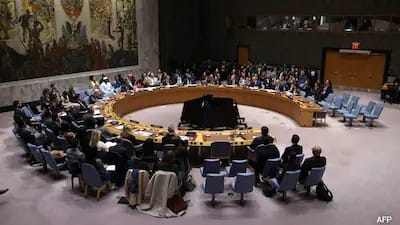
India has stated there will be second class Security Council members unless the UN places “more important powers on the five permanent members of the Council”.
Indian Demand Equal Rights
On Monday, during an Intergovernmental Negotiations plenary session in the UN General Assembly which came up on the subject of veto powers, India’s Permanent Representative to the UN, Ambassador Harish Parvathaneni also reiterated New Delhi’s stance.
All permanent members of a new Security Council should have the same veto, Parvathaneni said. He emphasized fairness and justice as a need for equal rights, responsibilities of all Permanent Members.
He said that establishing a new class of permanent members with veto without breathing it would have no impact on the status quo, which is currently dominated by five veto-holding nations.
Five Nations Hold Veto Powers
There are 10 non-permanent members of the Security Council elected for a two-year term, and the five permanent members are: China, France, Russia, the United Kingdom and the United States. The five Permanent Members have veto powers which can stop substantive resolutions from being passed.
India has always wanted to broaden the membership of the Council in permanent and non-permanent members to create a more representative body.
Push for Comprehensive UN Reform
India, on its part, has been active in the issue of transforming the Security Council, which came into being during the 1945 United Nations Conference on International Organisation.
India has also pointed out that if the reform process is just about enlarge the club but not bring in the Permanent Representation it may be bound for failure.
The discussion points to ongoing disagreements about the scope and methods for modernising the Council and making the structure more relevant in today’s world.