


Israel elections 2026: What’s at stake for Netanyahu, who is challenging him and how many seats are needed

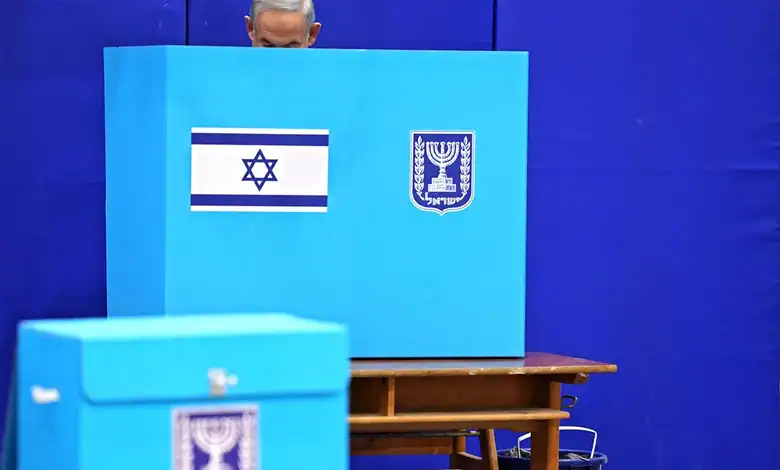
Israel will decide Benjamin Netanyahu political career on Tuesday, October 27, in an election first since the October 7, 2023 attacks.
What’s at stake
For Netanyahu, the stakes are political and personal. Accused of bribery, fraud and breach of trust charges in his long-running corruption trial, Netanyahu has always denied the charges. He was denied a pardon in November 2025. Contrasting to it he refused to admit guilt, and Israeli law does not allow the president to grant a pardon without such an admission. The compulsory military service for ultra-Orthodox men, and the cost of living and the October 7th attacks are also being taken into account by the voters.
The main challengers
Former IDF chief Gadi Eisenkot of Yashar is widely seen as Netanyahu’s leading rival. Naftali Bennett represents the B’Yachad party this poll after his party merged with Yair Lapid’s Yesh Atid. Other opposition names include Yair Golan of The Democrats and Avigdor Liberman of Yisrael Beytenu. Benny Gantz’s Blue and White party withdrew from the race this month.
Former military chief Gadi Eisenkot has emerged as the leading contendor to challenge incumbent Prime Minister Benjamin Netanyahu. The 66-year-old Yashar Party leader presents a contrast to Netanyahu with a personal connect in the Gaza conflict. Though Eisenkot opposes Palestinian statehood, he demands the dismantling of Hamas’ military wing, and opposes Netanyahu’s West Bank annexation plan. Besides his election manifesto vows an inquiry into lapses behind the October 7 attacks.
On the other side, Netanyahu’s coalition including Itamar Ben-Gvir’s Otzma Yehudit, Aryeh Deri’s Shas and Bezalel Smotrich’s Religious Zionism-Zehut.
How many seats are needed
All 120 Knesset seats are up for contention, so a bloc needs 61 to govern. In Israel voters select parties rather than individual candidates. To take charge of the parliament, a party needs at least 3.25% of the vote, roughly four seats.
What happens next
Eisenkot is weighing a minority government if the opposition wins 58 or 59 seats, but Bennett and Liberman insist on a Zionist majority. Keeping in mind the prediction, coalition talks could therefore run long, and the final result may hinge on post-election bargaining rather than the seat count alone. With opinion polls showing a fractured electorate, coalition building will decide whether Eisenkot can unseat Netanyahu.