


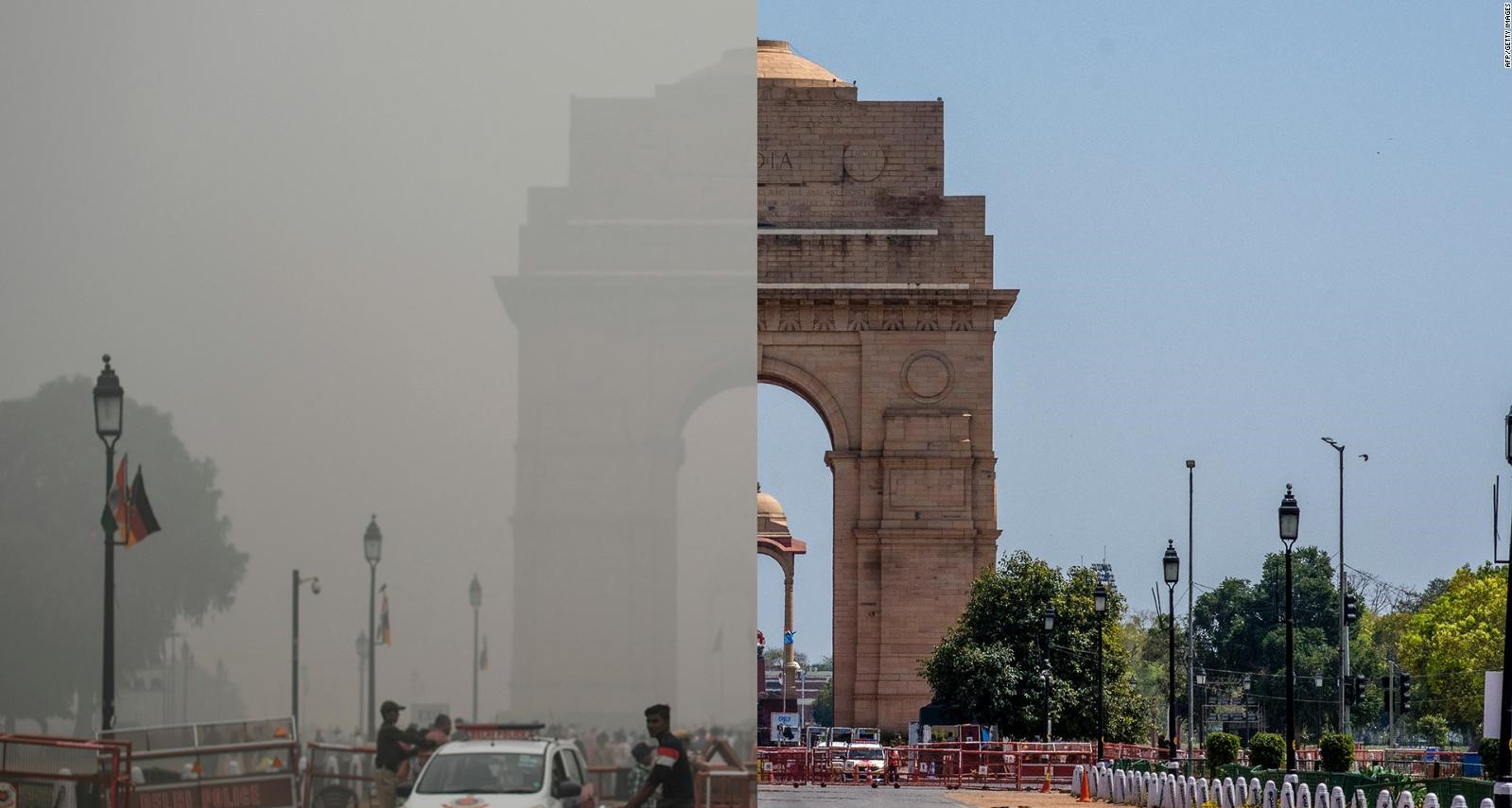
Acting early on the upcoming pollution issues during winter, the Delhi government has announced a winter action plan, with a series of measures scheduled to take effect from November 1st. The plan, will remain in force until February 28th and focuses on curbing vehicular emissions, monitoring construction waste, and promoting cleaner modes of transport.
Taking to X (Twitter), Gupta said that the government was taking early and firm action against controlling winter pollution. She highlighted restrictions in vehicles that do not fulfill BS6 emission standards, the “no PUC no fuel policy”, construction-related curbs and other measures to control the pollution.
As per the new rule, vehicles that do not meet the BS6 emission standards will not be allowed to enter the capital from November 1st to January 31st. The government has also reiterated that no PUC no fuel policy, under which vehicles without a valid pollution under control certificate will not be eligible to purchase fuel at any petrol pumps.
Besides construction, demolition activities were also focused, which cause a major amount of pollution during winters when the air quality in Delhi typically deteriorates. Curbs have been implemented on transportation of construction material to reduce dust pollution.
Construction sites will be monitored through AI-enabled cameras linked to the government’s control and command center. This system is intended to help authorities track activities in construction sites and identify potential violations. The Delhi Pollution Control Committee has issued show-cause notices to agencies where violations were detected.
In order to reduce traffic congestion and vehicular emissions, the government plans to enforce 50% work from home for both the private and government sector offices. Office timings will also be staggered so as to reduce the number of vehicles on the roads at one time.
The plan calls for a greater use of electric buses, expanded metro connectivity, improved last-mile transport and carpooling. She further urged residents to contribute to pollution control by adopting cleaner transport options and following the measures announced by the government.
Under the initiative, mechanized road sweeping of roads is being approved for areas where the service is currently unavailable. The initiative will cover 609 kilometers of road with a right of way of less than 10 meters. A total of 854 roads across 250 municipal wards have been identified for the purpose, according to the government. This mechanized sweeping is aimed at reducing road dusts, a significant contributor to particulate pollution in the city.
Emphasizing on collective efforts, Gupta said that the government had prepared the winter action plan well in advance. Taking learnings from the previous winter, she said cleaner mobility, construction dust mitigation and compliance with air pollution controls would be essential to the effort.