


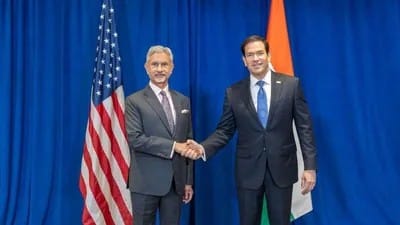
External Affairs Minister S Jaishankar met US Secretary of State Marco Rubio on the sidelines of the discussions at the United Nations General Assembly (UNGA) in New York, and expressed India’s concerns and interests over the recently enacted U.S. sanctions on Russia.
Jaishankar also touched on the two leaders’ discussions of the situation in the Gulf and Ukraine in his X post. The meeting comes days after US President Donald Trump signed the Lindsey O. Graham Sanctioning Russia and Iran Act of 2026 into law. The bill increases the U.S. power to levy newly up to 100% tariffs on the biggest importers of Russian oil and gas.
The law is a big concern for New Delhi, which has been one of the primary importers of Russian crude oil. The Ministry of External Affairs of India has indicated it had discussed the potential consequences at high levels with US interlocutors as it made every attempt to make concerns crystal clear on the impact on bilateral relations and international energy market before the bill was passed into law. India too noted its readiness to take necessary measures to ensure its trade and economic interests are safeguarded.
The law was approved by the Senate in August, and then approved by the US House of Representatives on a 262-159 vote on September 16. The law includes provisions on energy and defence industries in Russia and also the so called shadow fleet, but it also gives the US president more powers, regarding the major buyers of Russian energy.
The Jaishankar-Rubio meeting comes on the heels of India amending its assessment of the possibility for economic repercussions under the new US law. However, Russia was India’s top oil supplier but its supply fell in August. Also, preliminary data showed that production fell further in September as Indian refiners looked overseas for supplies.
The words can be said in the context of the significance of the existing sanctions regime in the current Israel-U.S. diplomatic and economic contact.