


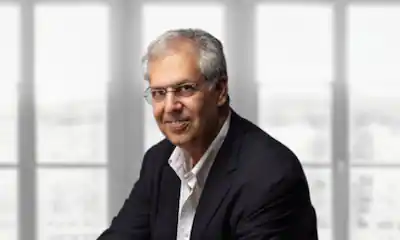
According to reports by a renowned media house, Tata Trusts chairman Noel Tata reportedly floated a plan to restructure the company by dividing it into multiple entities. The proposal, which was made during a September 17 board meeting, sought to avoid the listing of Tata’s holding company, the report mentioned.
The meeting also pitted Tata Sons and Tata Trusts, which hold a 65.9% stake in the company. Noel Tata has strongly opposed a revenue-based listing of the firm and told the board that he would veto any such decision. While he suggested splitting the firm as an alternative to listing, there is no official information whether or not the board has accepted it.
According to experts, the restructuring could take place in several forms and not simply mean breaking the company. Options could include a demerger, shifting assets to a subsidiary and/or subsidiary, a merger or a buy scheme of arrangement. Notably, Shapoor Pallonji Group is backing the Tata Sons listing and recently urged all Tata trustees to back the move.
What does the RBI want?
According to a framework introduced by the RBI in 2021, certain firms should be listed within three years of being designated. Tata Sons was among the first 16 upper-layer non-banking financial companies identified under the framework in 2022. Noel Tata is opposed to the company going public, while Tata Trusts also maintained that listing would destroy its character. The Tata Trusts chairman has urged the board to seek another extension of three years from the RBI.
However, despite Noel’s objection, the company, the holding company, is preparing to begin listing with February 2027 likely the target for its market debut, as per reports.
The September 17th board meeting has highlighted growing differences between Noel Tata-led Tata Trusts and Tata Sons. He claimed that the board, once chaired by late Ratan Tata, had unanimously decided that the company would remain unlisted. He also objected to the board’s unanimous decision to reappoint N. Chandrasekaran as the executive chairman, calling it a legal nullity.