


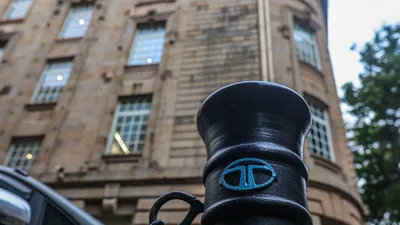
The Tata Sons boardroom has been witnessing uproar multiple times now. This time, it’s stirring up memories of the Cyrus Mistry ouster. On September 17, 2026, the board voted 4-1 to reappoint N. Chandrasekaran for a third five-year term as chairman. The one “no” came from Noel Tata, who heads Tata Trusts and sits on the board as its nominee — and he’s since come out and called the whole decision invalid.
But strip away the names, and this isn’t really a fight about Chandrasekaran at all. It’s about how Tata Sons is actually run. Tata Trusts holds close to 66% of the company, and under Tata Sons’ own Articles of Association, the directors the Trusts nominate get special voting powers over big decisions. That’s the real crux of it.
This is where the 2021 Supreme Court judgment comes back into play. That ruling settled the bitter fight following Mistry’s removal as chairman, upholding Tata Sons’ decision and rejecting arguments that the Trusts’ special voting powers were unfair or against good governance. Both sides are now leaning on that same verdict — but reading it very differently. Tata Trusts says the judgment protected its voting rights and should protect them again now. Tata Sons says the ruling backed the board’s freedom to act without being blocked by internal disputes.
Legal experts note that the 2021 case didn’t deal with exactly this scenario — a split vote between two Trust nominees. So while the earlier ruling offers a starting point, it may not fully settle who’s right this time. With top lawyers reportedly lining up on both sides, this dispute looks headed for the courts again.