


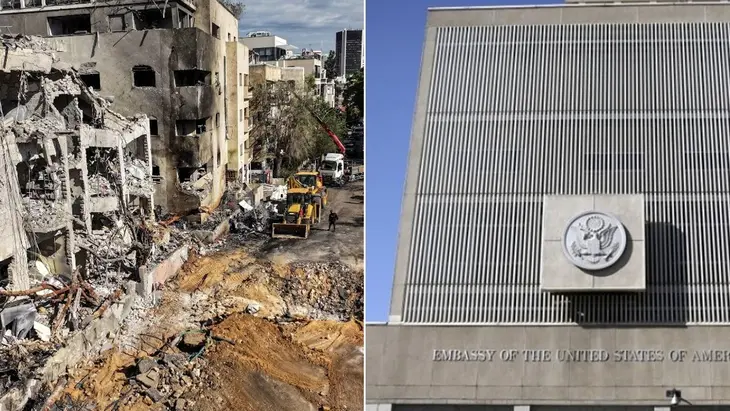
The U.S. State Department has warned diplomats in the Middle East in advance of fresh clashes between Iranian-backed Houthi rebels in Yemen and its government-backed minority troops from the Saudi Arabia-backed coalition.
U.S. Embassy in Israel asked its citizens to “be extra vigilant and stay prepared for potential flight cancelations, closures to airspace and travel disruptions” on Saturday. The warning also stated its concern about possible attacks on U.S. interests and facilities outside of the Middle East.
Using the embassy, American diplomatic posts have already been attacked, and Iran and/or other groups supportive of Tehran are potentially capable of attacking American interests anywhere in the world, such as businesses, institutions and facilities connected with US citizens, the embassy said.
Meanwhile, other U.S. missions in the area, such as the virtual embassy in Iran, sent out security warnings due to fears of counterattacks following an increased war between Tehran and western capitals.
The alarms followed several hours after Houthis took to social media to claim responsibility for firing missiles at “sensitive sites” in Riyadh, Saudi Arabia’s capital. Later this Saturday, the Saudi government confirmed a ballistic missile was fired in the early hours of Saturday towards Riyadh.
Saudi Arabia air force has successfully intercepted and destroyed the missile before it could hit its target, the Kingdom’s official Arabic news agency said. But a fire at a fuel depot near Riyadh’s international airport appears to have caught the attention of fire fighters as they were seen fighting a blaze. The logo of Saudi oil company Aramco was on one of the fuel tanks at the site.
The changes have raised security fears around the world, and the United States has “encouraged U.S. citizens to stay tuned for official announcements and advised them to be on the lookout for changes in conditions affecting travel.
While this warning renews worries that a continued surge of violence might intensify their efforts to target U.S. interests and cause further disruptions to Americans traveling or residing from around the Middle East, the embassy warnings do not all end with Iraq.But the embassy warnings don’t stop with Iraq; they reflect a growing fear that a continued wave of violence could cause further attacks on U.S. interests and lead to more disruption for Americans traveling or living around the Middle East.