


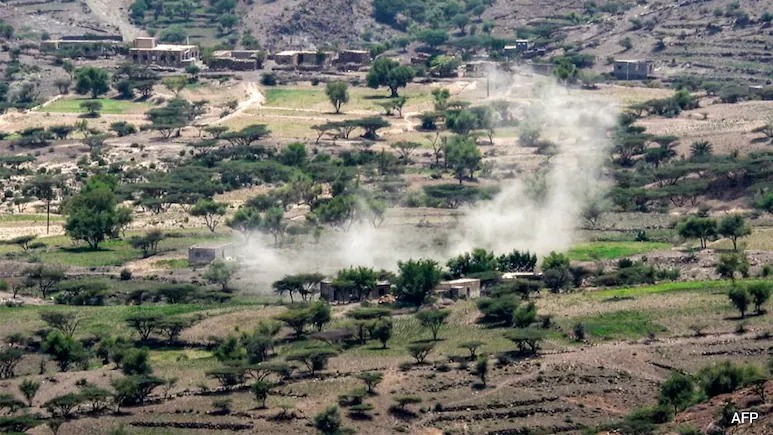
The fighting between the Yemen-based Saudi-backed government and Iran-backed Houthis force has continued to rise over the last 24 hours with Yemen’s Houthis claiming that the kingdom has hit 26 targets in the country during the period.
Saudi airstrikes have intensified over the last week to around 300 and attacked regions under Houthi control, the Houthis said on Friday. The allegation follows a resurgence of violence in Yemen’s protracted conflict, which had largely been dormant since 2022 but picked up again in July.
Houthis Expand Control Along Red Sea
The war started in 2014 when the Sanaa capital fell in the hands of the Houthis. Saudi Arabia has backed the internationally recognised government of Yemen since 2015 when it co-led a military campaign that has come to be known as the Saudi Arabica coalition to end the conflict in Yemen.
The latest flare up has included Houthis attacking the Red Sea coast of Yemen. The group already rules much of the populated nation, and has made efforts to extend its influence into the Bab al-Mandab, which is a strategic maritime passage.
Houthis have also declared a ban on Saudi trading ships passing the region. Saudi oil exports have been falling since July through the Bab al-Mandab port, maritime tracking firm Kpler said. Still, a number of loaded ships passed through the strait last week.
The Houthis claim that navigation is unfree there with the exception of Saudi vessels.
UN Warns of Growing Humanitarian Crisis
The ongoing conflict has contributed to the precarious situation in Yemen affecting the humanitarian situation.The resumption of fighting has compounded Yemen’s dire humanitarian challenges. The latest escalation has displaced over 112,000 people and resulted in nearly 3,000 people fleeing to Djibouti via sea, the United Nations said on Friday.
Before the current conflict, widespread food insecurity was affecting Yemen. In 2025, the UN estimated, about 17 million people were doing their best to survive on insufficient food, while another one million were in the extreme state of hunger.
The new spike, therefore, has stirred new doubts regarding the impact of the war on Yemen’s millions of vulnerable residents and the nation’s future.