


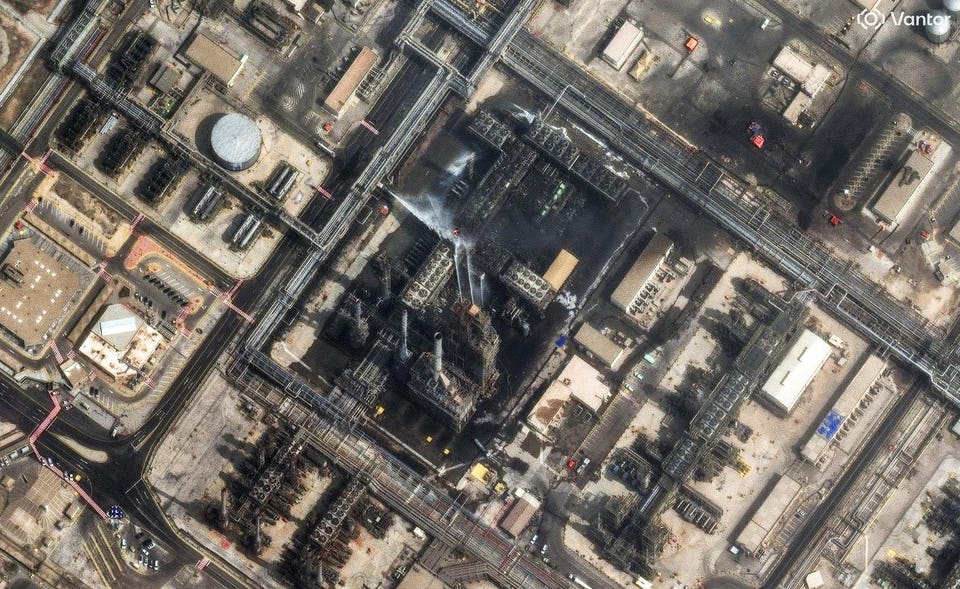
Oil prices surged nearly 2% on Tuesday as concerns over supply disruptions following damage to Saudi Arabia’s energy infrastructure gained momentum. The damage has left the kingdom’s East-West pipeline shut down, casting doubt on the ease of maintaining global oil supplies.
As per reports, the 1,200-kilometre crude pipeline from Gulf ports to the Red Sea port, which was struck by drones, will remain out of service for weeks while repair work continues.
Brent crude futures rose $1.87, or 1.77%, to $107.55 a barrel at 0633 GMT, while US West Texas Intermediate futures were up $1.88, or 1.85%, at $103.27 a barrel. Both benchmarks rose more than 1% in the previous session.
Iran-backed Houthi forces in Yemen launched fresh attacks on Saudi Arabia on Monday, while Gulf Arab states postponed planned discussions with Iran, fuelling concerns that the Middle East conflict could widen and further disrupt global oil supplies.
Meanwhile, a U.S. government watchdog released its first report on the impact of the war, acknowledging the military’s advanced weapons shortfall and offering the public its first look at the damage caused to American aircraft bases and diplomatic outposts in the Middle East.
As per the report, covering the period from April 1st to June 30th, the watchdog presented findings on the Defense and State departments, as well as USAID, and offered the fullest official picture so far of the conflict’s toll in American lives, taxpayer dollars and physical destruction.
Even as the report was released, new development emerged. CENTCOM dismissed an IRGC claim that the Panama-flagged oil tanker El Gaia struck a naval mine in the Strait of Hormuz, saying instead that the vessel was hit by an Iranian missile last month and struck again by a drone this weekend while it was off the coast of Oman.
As per reports, more than 9,000 U.S. citizens have been evacuated from the Middle East and Europe following the U.S.-led attack on Iran, the first attack on Iran in February, costing more than $11 million. The costliest route ran from the UAE through Istanbul and Athens to Washington.
According to Defense Secretary Pete Hegseth, as of late July, the total war cost had reached $37.5 billion, with state-owned conflict-related costs at $113 million.