


SC Says NCTE Can Demand Annual Reports From Teacher Training Colleges — Here’s Why It Matters

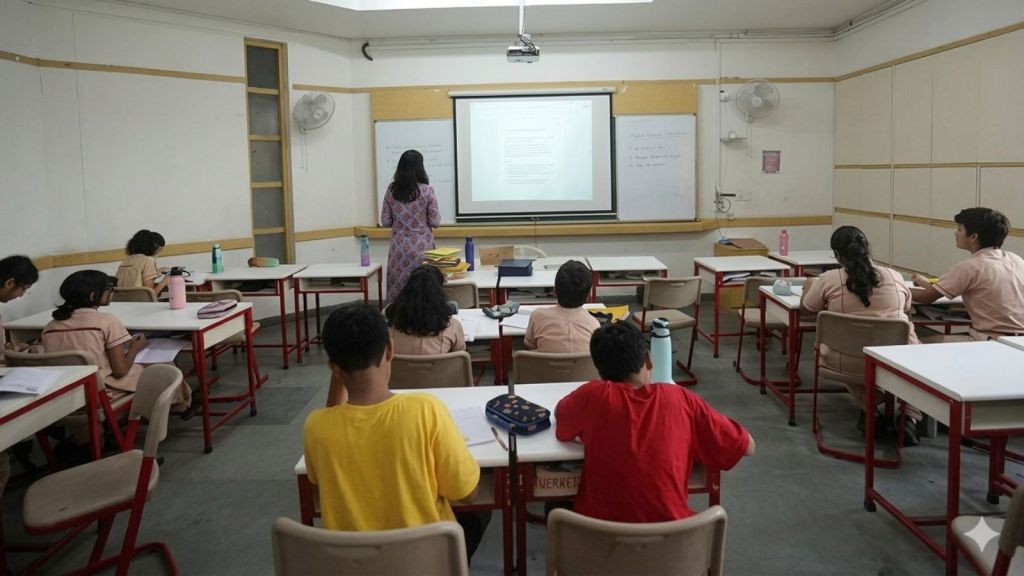
Ahead of the Teachers day, the SC upheld the National Council for Teacher Education’s power to require Teacher Education Institutions (TEIs) to file annual Performance Appraisal Reports, setting aside a 2023 ruling by a Division Bench of the Delhi High Court, giving a fairly significant win for the former.
It said that the NCTE can legally require Teacher Education Institutions to submit annual Performance Appraisal Reports — and while that might sound like bureaucratic housekeeping, there’s a bigger question buried in it: who’s actually checking whether the colleges training India’s teachers are still up to scratch, year after year?
So what does the NCTE do, exactly?
It’s the body that sets the rules for teacher-training programmes across the country — faculty requirements, infrastructure, academic standards, all of it. And its job doesn’t end at handing out approval. It’s supposed to keep checking in. That distinction matters more than it might seem, because a mediocre teacher-training programme doesn’t just affect the students enrolled in it — it eventually affects every classroom those graduates walk into.
The report itself
Nothing fancy here. It’s essentially institutions self-reporting to the regulator: are we still meeting the standards, do we still have the faculty we’re supposed to, is the infrastructure where it needs to be. The Court’s ruling means the NCTE doesn’t have to ask nicely — it can insist on this every year.
What changes for colleges
The message to institutions is blunt: getting recognised was never the finish line. You don’t just clear the bar once and coast. Colleges now have to keep proving — on paper, annually — that they still have the faculty, the facilities, the academic setup they promised. For institutions actually doing things right, that’s not really a burden; it’s a chance to show it. For the ones cutting corners, it’s harder to hide.
But the regulator has homework too
Here’s the catch, though — the ruling hands the NCTE power, but it doesn’t automatically make it a better regulator. Collecting reports is the easy part. Actually reading them, telling the difference between a college that’s genuinely compliant and one that’s just good at filling out forms — that’s the hard part. Inspections, follow-through, actually acting on red flags. Without that, the whole exercise risks becoming paperwork for paperwork’s sake.
Why bother checking every year anyway?
Because standards slip. A college might have great faculty and facilities the year it gets approved, and neither five years later. Intake grows, staff leave, budgets tighten. Annual checks are meant to catch that drift before it does real damage — but only if someone’s actually looking at what comes in.
Where NEP 2020 fits in
This isn’t happening in a vacuum, either. The National Education Policy 2020 already wants teacher preparation to get more rigorous, so a regulator that’s actually paying attention becomes more important, not less, as that shift plays out.
And for students?
At the end of the day, this is about whether the person standing in front of a classroom someday was actually trained properly. Tighter oversight, done right, means weaker institutions get flagged instead of just coasting along — and better ones have an incentive to stay sharp.
Bottom line: this isn’t really a story about paperwork. It’s the Court reinforcing a simple idea — that training teachers isn’t a one-and-done certification, it’s something that needs watching, continuously, because the quality of India’s teachers depends on the quality of the places that make them.