


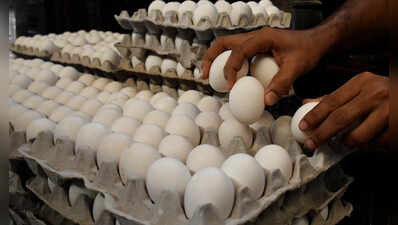
If your morning omelette feels pricier lately, there’s a reason — and it isn’t just inflation. India’s egg prices have surged between 35 and 40% over the past year, and industry experts say winter could push them even higher.
The chain reaction starts with maize. Maize makes up roughly half of poultry feed, and feed alone accounts for the bulk of what it costs to produce an egg. And maize is the real culprit here. Half the crop that used to end up as chicken feed is now heading straight into ethanol tanks instead. Blame the government’s 20% blending mandate — it’s turned biofuel plants into maize’s biggest customer almost overnight. Nearly 37% of everything India grows in maize now goes to distilleries, not farms.
Do the math: that’s over a third of the country’s maize supply gone before a single chicken gets fed.The numbers on the ground reflect this squeeze. Eggs are currently selling at around ₹7 apiece at the farm gate, and ₹8.50 to ₹9 in retail markets nationally — though some markets and online platforms have reported retail prices touching nearly ₹14.
The National Egg Co-ordination Committee, responsible to keep an account of these numbers, expects prices to stay firm and possibly climb further. Winter matters here because egg consumption traditionally rises in the colder months, adding fresh demand pressure right when feed supply is already tight. If that seasonal demand jump collides with elevated feed costs, poultry industry executives expect retail prices to move up again.There’s a bigger trade story too. India used to be a maize exporter, regularly supplying countries like Bangladesh and Vietnam. That surplus has now largely disappeared.
Corn imports touched a historic peak of about 1 million tonnes in the last financial year, with India even sourcing non-GMO grain from Ukraine and Myanmar outside standard trade quotas. The country is still importing roughly half a million tonnes to bridge the supply gap, a number that could grow if domestic maize output doesn’t keep pace with demand from ethanol plants, poultry farms, and starch industries all competing for the same crop.
For now, there’s no sign of the ethanol policy easing, which means poultry farmers are stuck absorbing higher feed bills — costs that inevitably get passed down to your local egg vendor. So if prices at your neighbourhood shop keep climbing this winter, the answer isn’t just “demand” — it’s a policy tug-of-war between your breakfast plate and the country’s fuel tank.