


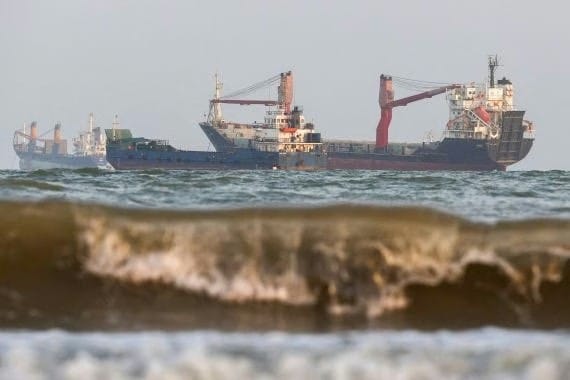
The Middle East showed the usual high level of tension on the subject with Iran claiming that the Strait of Hormuz would remain closed for ever and Israeli troops continued to be deployed throughout parts of the occupied West Bank.
Deputy Foreign Minister Kazem Gharibabadi told the news agency there was no rush to reopen the strategically significant waterway. The Islamic Revolutionary Guard Corps (IRGC) also stated it continued to have “tight control” over the Iran strait, and that sea traffic was not in danger, while US officials suggested otherwise to affect the price of energy commodities.
The Strait of Hormuz is a key international energy corridor and further disruption may have ramifications on a global level for oil and gas markets. Iran’s stance follows heightened tensions with Tehran and Washington.
Israeli troops meanwhile reportedly shut down the sole entrance to the occupied West Bank village of al-Mughayyir, blocking the people’s entry and exit.
In addition, Israeli troops raided northeastern West Bank Tubas. Over 6 Palestinians were reportedly injured in a raid on a Far’a refugee camp south of Tubas.
Israeli settlers are reportedly responsible for attacking Palestinian woman and an NBC News crew in West Bank town of Jalud. Four journalists were reportedly injured in the attack. The incident received Israel’s rare scolding from Prime Minister Benjamin Netanyahu.
The developments coincide with escalation of regional tensions – military operations, curtailing mobility and even questions over the Strait of Hormuz are causing considerable international interest. This situation is fluid and diplomatic and security efforts continue across the region.