


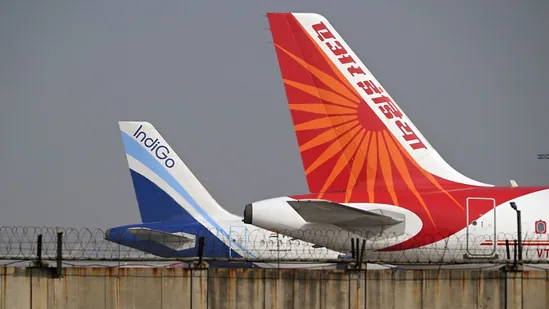
Following the recent chaos over the pilot of a Phuket-Delhi Air India flight in an unacceptable condition, drug testing for flight crews has drew more focus.People familiar in the know said that Air India and Air India Express will begin screening of all their pilots for psychoactive substances, even as the Centre was planning to increase random drug testing from 10% to 25% of flight crew.
“We have decided to undertake a full screening of all Group pilots for any substances or medications that are not permitted under prevailing regulations. This testing is mandatory and will start today, 13 August 2026,” Manish Uppal, head of flight operations, Air India, wrote in an email to all pilots of the group, as accessed by media houses.
As for the laws in regards to the consumption of psychoactive substances, the Directorate General of Civil Aviation, Civil Aviation Requirement, Section 5, Series F Part 5 titled Procedure for Examination of Aviation Personnel for Consumption of Psychoactive Substances was issued in September 2021 and enforced in January 2022. The rule was framed in line with the International Civil Aviation Organization policy on problematic substances used in aviation, says CAR.
Flight crew, air traffic controllers, aircraft maintenance engineers and certifying staff, trainee pilots, instructors and examiners are all eligible for scrutiny under this rule. Flight crews and ATCOs are the only ones covered under the mandatory rule that at least 10 percent of them be randomly tested every year.
Under CAR urine sampling split at the point of collection into sealed cylinders, and prescribed testing for six classes of psychoactive substances, amphetamines and amphetamine-type stimulants, opiates and metabolites, cannabis measured as tetrahydrocannabinol, cocaine, barbiturates and benzodiazepines are mentioned.