


Following the rejection of the US-backed agreement by Israeli PM Netanyahu, a Hamas official interacting with the media on Sunday urged the US to pressure Israel to accept the next phase of the Gaza plan.
“We expect the mediators and the American guarantor to pressure Netanyahu and his government to adhere to the roadmap and not obstruct the process for internal political and electoral reasons,” Hamas political bureau member Bassem Naim told.
Israeli Prime Minister Benjamin Netanyahu on Sunday ruled out a Palestinian state in Gaza or the West Bank, rejecting the 15-point Gaza peace plan, giving a major blow to U.S. President Donald Trump’s claim of a breakthrough towards ending the war. “As long as I am Prime Minister, there’ll be no Palestinian state in Gaza or the West Bank,” Netanyahu said.
The remarks come more than a week after Trump hailed that roadmap as a major milestone and a great breakthrough. With Israel rejecting key parts of the plan and Hamas attaching conditions to its implementation, the two sides remain far apart on how the U.S.-backed roadmap should move forward. Last week, an Israeli official said there’ll be no withdrawal whatsoever of the Israeli military from its current positions unless Hamas underwent what Israel considered genuine disarmament.
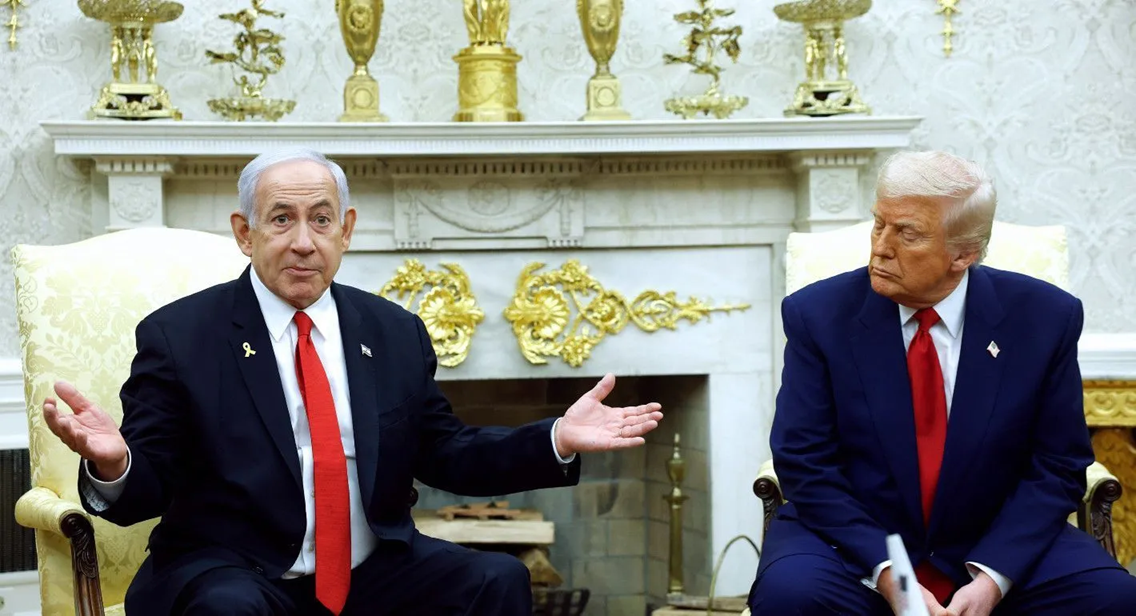
Reinforcing the statement, Netanyahu said Israeli forces would not withdraw from Gaza until Hamas was completely disarmed. His outright rejection also sits uneasily with what Trump said after hosting Netanyahu in Washington last week, days before Sunday’s remarks.
Meanwhile, Hamas said it remained committed to the roadmap agreed with the mediators and representatives of the Trump peace council in Cairo while insisting that Israel must first fulfil its obligations. A senior Hamas official said it has maintained that Israel must first halt its attack and fulfil commitments under the earlier ceasefire agreement before the group moves forward towards giving up its weapons.
Another senior Hamas official involved in the negotiation said the group was prepared to accept what he described as a difficult and painful agreement, but stopped short of accepting immediate disarmament. Hamas said Israel would first have to implement the initial phase of the Sharm el-Sheikh agreement, including ending attacks, withdrawing its forces from its earlier positions, and allowing greater flows of goods and humanitarian aid into Gaza, following which then only Hamas would agree to place its weapons under the control of the National Committee for the Administration of Gaza, the Palestinian technocratic body proposed to govern the enclave during the transition.