


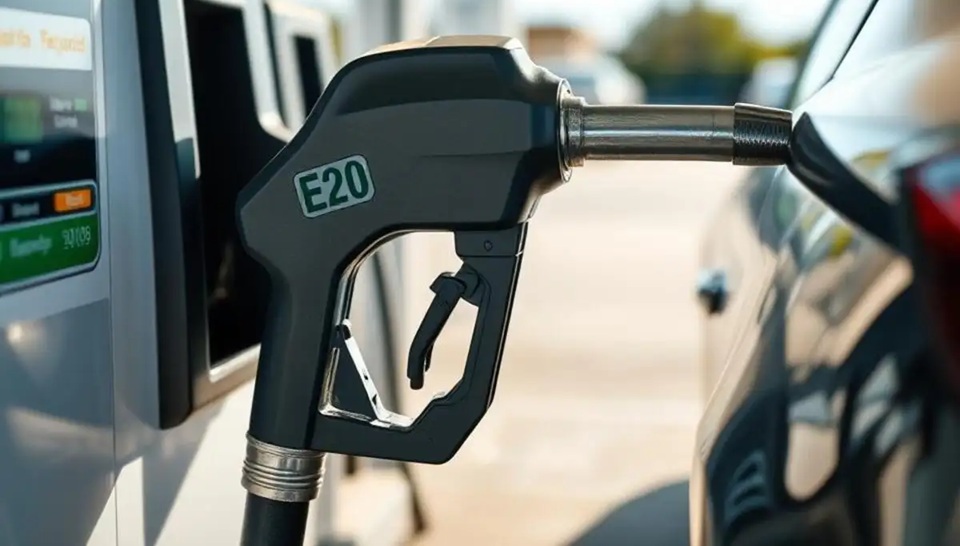
The nationwide introduction of ethanol-blended petrol (E20 – 20 per cent ethanol mix) has raised concerns regarding prices and consumer impacts, and introduced a research and policy debate amongst experts and the political community.
Retailers must not expect to supply E20 petrol, former Hindustan Petroleum Corporation Limited (HPCL) Chairman and Managing Director M.K. Surana has clarified. Speaking in the panel discussion, Surana said ethanol is now being sold at Rs 56.71 to almost Rs 71 per litre, while petrol is being sold from the ex-refinery at Rs 53 per litre.
Surana said ethanol’s pricing is costlier for OMCs than petrol, and therefore an increase in ethanol blending is likely to be rare, as this may increase the fuel retail price. In the long term, India will gain from the blending programme, he added, saying it will help to cut dependence on imported crude oil and mitigate the volatility of fuel prices globally.
The controversy has also been a political talking point. Aam Aadmi Party (AAP) national convenor Arvind Kejriwal has asked Prime Minister Narendra Modi to meet him to discuss the issue of E20 petrol implementation. Kejriwal, in a letter, said there is increasing public apprehension over the use of E20 fuel in cars not meant for E20 fuel. The AAP has also started an online petition to share people’s experiences with the fuel, he added.
On the other hand, the Ministry of Petroleum and Natural Gas has made it clear that it is not to bring down petrol prices due to the ethanol-blending programme. In a statement on July 10, the ministry revealed that the prices of ethanol purchases were purposely fixed at remunerative prices to help farmers. It said that the important objective of the scheme is that India should not depend upon imported crude oil and instead ensure its energy security, while at the same time, it should also give a boost to agriculture rather than to provide cheaper fuel at petrol pumps.