


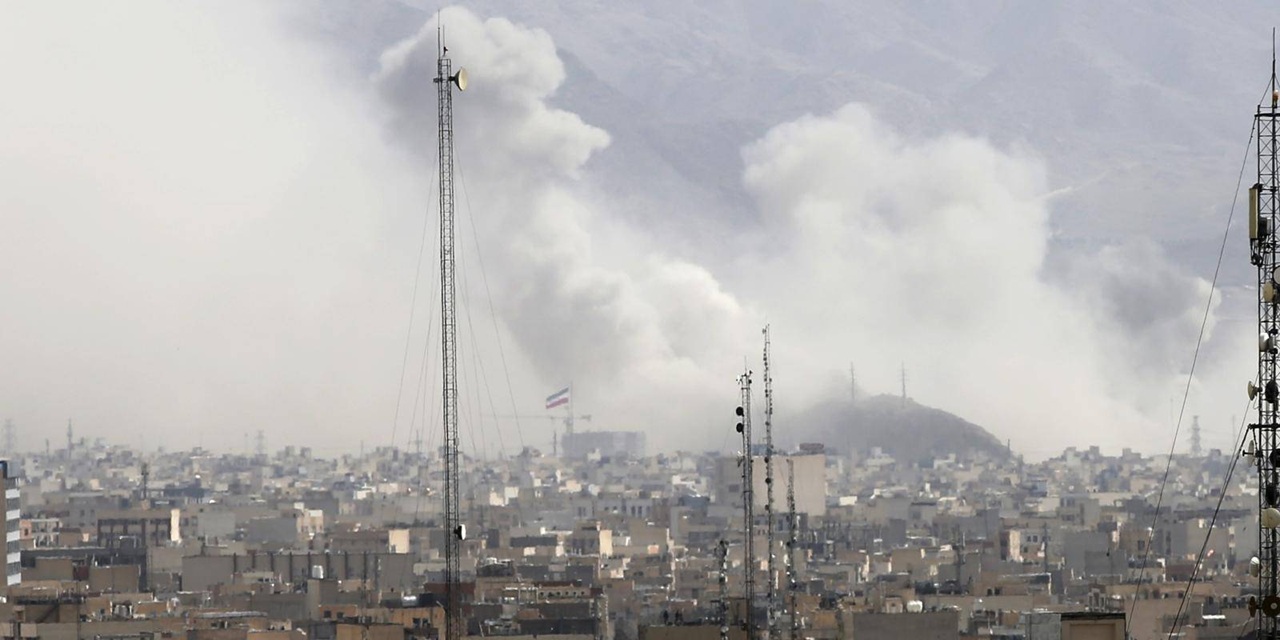
Iran on Wednesday claimed responsibility for missile and drone attacks on US military bases in Gulf including Bahrain and Kuwait in retaliation for fresh American strikes on Iranian targets.
Iran’s Islamic Revolutionary Guard Corps (IRGC) claimed that it had launched missile and drone attacks on US military sites in Bahrain and Kuwait after fresh American strikes on Iranian targets, raising concerns over the future of the fragile ceasefire.
According to Iranian authorities, the operation targeted the US Navy’s Fifth Fleet facilities in Bahrain and the Ali Al Salem Air Base in Kuwait. The IRGC also claimed it had shot down a US MQ-9 drone that was allegedly attempting to interfere with the operation.
Reporting raid sirens in Gulf region, Kuwait’s military said its air defence systems were responding to what it described as “hostile” missile and drone threats. The US military had not immediately commented on Iran’s claims.
The escalation followed a new wave of US military strikes against Iranian targets after attacks on commercial tankers in the Strait of Hormuz. The US also revoked a licence that had temporarily allowed Iran to export oil, adding further pressure on Tehran.
The US Central Command (CENTCOM) said its operation targeted more than 60 boats belonging to the IRGC, along with Iranian coastal surveillance systems, air defence assets, anti-ship cruise missiles and drone launch facilities. According to the US, the strikes were intended to impose costs on Iran over attacks on shipping, which Washington said violated the existing ceasefire arrangement.
CENTCOM described Iran’s actions as an “unwarranted aggression” that threatened freedom of navigation in one of the world’s busiest maritime routes.
NATO Secretary General Mark Rutte defended Washington’s military response, saying the strikes were necessary if Iran had violated the ceasefire agreement.
Iran strongly rejected the US action. The country’s Khatam al-Anbiya Central Headquarters described the strikes as a “blatant act of aggression” and warned of a “crushing response” against any further US interference.
Iranian Parliament Speaker Mohammad Baqer Qalibaf also accused Washington of breaching the ceasefire by carrying out military strikes, tightening oil sanctions and supporting Israeli military actions.
Meanwhile, Iranian media reported explosions in several southern locations, including Kharg Island, Qeshm Island, Sirik and Bandar Abbas. While no civilian deaths were reported, state media said several people were injured after a projectile struck a commercial pier in Sirik.
The latest escalation comes as indirect negotiations between Washington and Tehran remain stalled. The two countries had agreed to a temporary ceasefire framework aimed at creating space for talks on sanctions relief, nuclear issues and regional security.
In another significant development, the US withdrew a temporary licence that had permitted the sale of Iranian crude oil and petroleum products through August, giving businesses until July 17 to wind down transactions. Iran condemned the move as a violation of the ceasefire framework and warned it would take necessary measures to safeguard its national interests.
The maritime situation also remained tense after fresh attacks on commercial shipping in the Strait of Hormuz. Qatar accused Iran of targeting vessels operating in the region, including a Qatari liquefied natural gas tanker that reportedly caught fire after being struck by a drone. Iran denied responsibility for the attacks.
The renewed exchange of military action has further complicated efforts to reach a long-term agreement. Indirect talks held in Qatar last week ended without a breakthrough, while US President Donald Trump has repeatedly warned that military action could resume if negotiations fail. Iran has maintained that formal negotiations cannot proceed while military threats continue.