


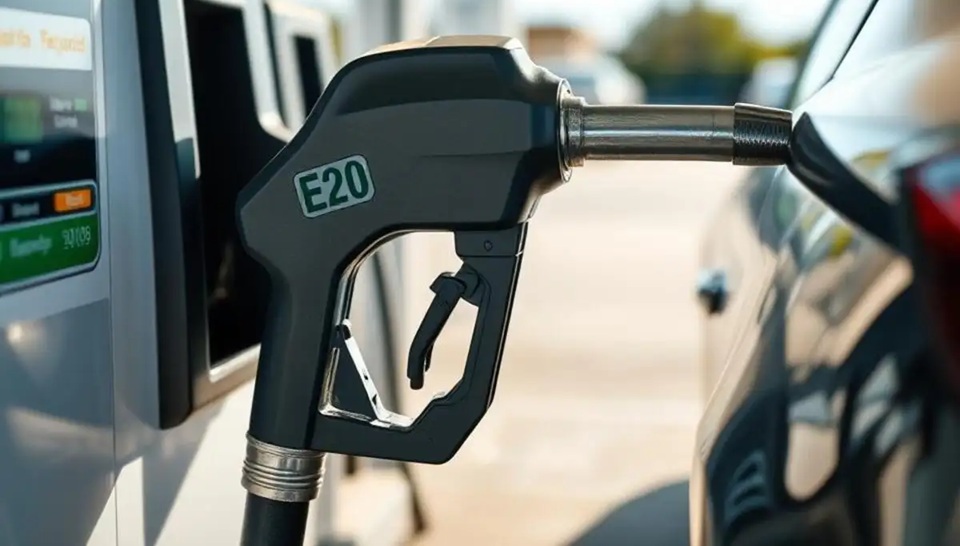
Amid growing concerns around the nationwide rollout of E20, ethanol-blended petroleum, which is 20% ethanol, two of India’s largest car makers, Maruti Suzuki and Toyota Kirloskar Motor, have assured customers that they have not observed any issues related to the engine wear, corrosion and increased insurance claims due to the use of the fuel.
Senior executives from both the companies in a media interaction said that extensive field data and service reports indicate that E20 fuel has not resulted in an abnormal wear and tear of the engine, even in older generation vehicles.
Rahul Bharti, the Senior Executive Officer at Maruti Suzuki, said that the company extensively evaluated the cars, the impact of E20 on cars, including those vehicles which were manufactured before 2010. According to him, Maruti Suzuki serviced over 2.5 crore vehicles during the FY 26, of which more than 1.5 belonged to the older generations. In the large batch of vehicles that were serviced, the company said that it did not notice any unusual sign of corrosion, premature wear and tear, or reduced engine life because of the use of E20 petrol.
It further added that even in instances where E20 fuel had been used in vehicles which were designed originally for E10 petrol, have not shown any significant cause of concern. However, addressing consumer complaints related to E20 fuel, Maruti Suzuki has said that the damage could be linked to fuel adulteration, which remains a separate challenge. It noted that oil marketing companies regularly conduct fuel quality checks and work closely with automobile industries to ensure compliance.
It maintained that customers using Maruti Suzuki vehicles can be confident about the compatibility of E20 fuels. It acknowledged that ethanol’s lower the calorific value of the car as compared to the petrol, which is just a slight reduction in the fuel efficiency.
According to the company, switching from E10 to E20 could lead to just a drop by 3.5% in mileage. It highlighted that this reduction remains well within the engineering expectations.
Meanwhile, Toyota also echoed similar findings and dismissed complaints over E20 fuel affecting vehicles. Vikram Gulati, the country head and executive vice president of Toyota Kirloskar Motor, said that the company had not observed any dealership complaints linking to E20 vehicles which arrived with engine-related issues. He added that if the consumers encountered any fuel-related problems, they are more likely because of the contamination rather than the ethanol blend itself. Toyota also said that it did not notice any trend suggesting an increase in insurance claim that could be attributed to E20.
Toyota, likewise, Maruti pressed that a mileage drop of not more than 3- 3.5% was obsereved.
On the contrary to automakers, Petroleum Dealers Association (PDA) has urged the Centre to reconsider the nationwide rollout of the fuel. The association claims the higher ethanol blend is leading to operational challenges for fuel station operators, who are increasingly being blamed by customers for vehicle-related issues.