


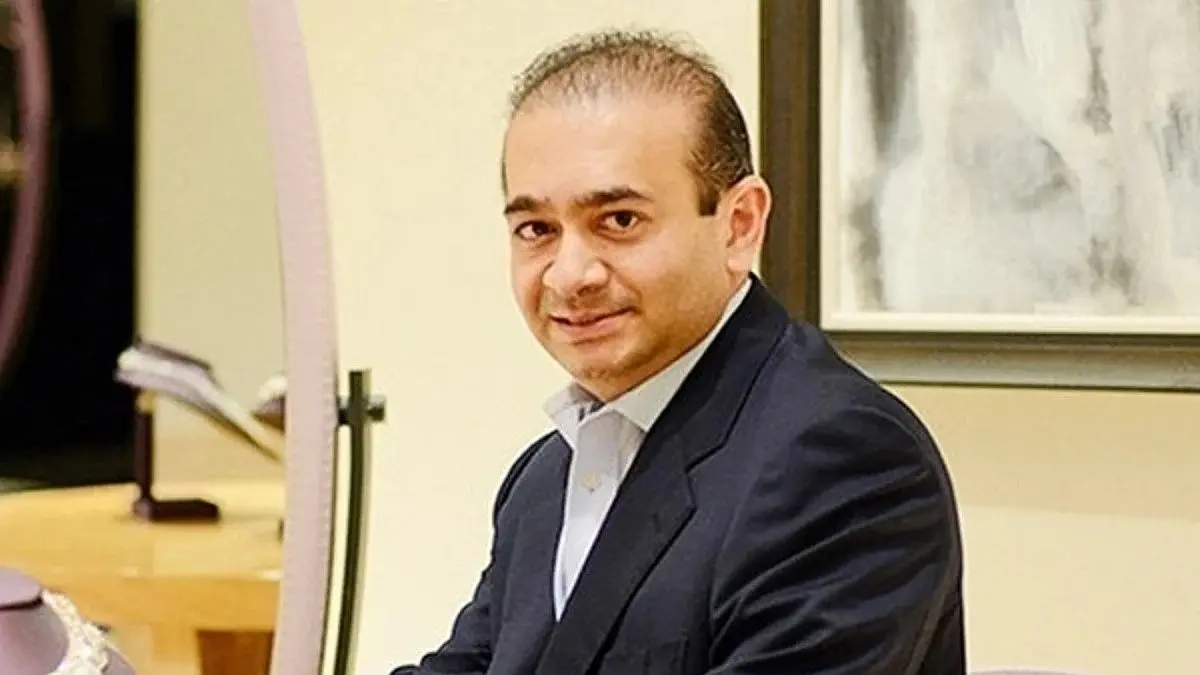
Fugitive diamantaire Nirav Modi received an overwhelming response at the UK court after he exhausted his legal options to escape extradition to India. European Court of Human Rights (ECHR), according to multiple media reports did not grant him any relief leaving him no further avenues of appeal before the court in the United Kingdom. He remains in prison while contesting extradition to India. Currently Modi is lodged in HMP Wandsworth in London.
With the judicial avenues closed, the UK Home Office will now coordinate with Indian authorities to finalize the logistics for his return to Mumbai, where he is scheduled to be held at Arthur Road Jail.
The diamantaires legal team had in April this year approached the Strasbourg-based ECHR in a final attempt to block his transfer to India, arguing that extradition would violate his human rights. The court as per its protocols had held confidentiality as the case was pending and is not publicly disclosed while being active. With the dismissal of this final European appeal, the legal framework protecting Modi from extradition has completely ended.
Diplomatic sources indicated that his extradition could now take place at any time. Back here in India, the CBI and ED are seeking the extradition of the diamond dealer in connection with the alleged multi-crore Punjab National Bank (PNB) fraud and a related money laundering case. Modi is liable to pay more than USD 11.5 million to the Bank of India including accrued interest, under a personal guarantee linked to a loan extended to Dubai-based Firestar Diamond FZE.
In March 2026, he lost the last-ditch attempt to reopen his extradition proceedings by claiming there was a ‘real risk of torture’ if he were sent to India.
How Modi orchestrated one of India’s biggest financial scams
Between 2011 and 2018, Modi and his associates allegedly colluded with a select bank officials at a Mumbai branch to issue fraudulent Letters of Undertaking (LoUs)—essentially financial guarantees used for international trade. These documents were routed through the SWIFT global messaging network to secure short-term credit from overseas branches of other Indian banks. To evade detection, the conspirators deliberately kept these transactions unrecorded in PNBs internal core banking system. The funds claimed to be procured to pay import bills were instead laundered through offshore shell companies and funnelled back into his diamond business.