


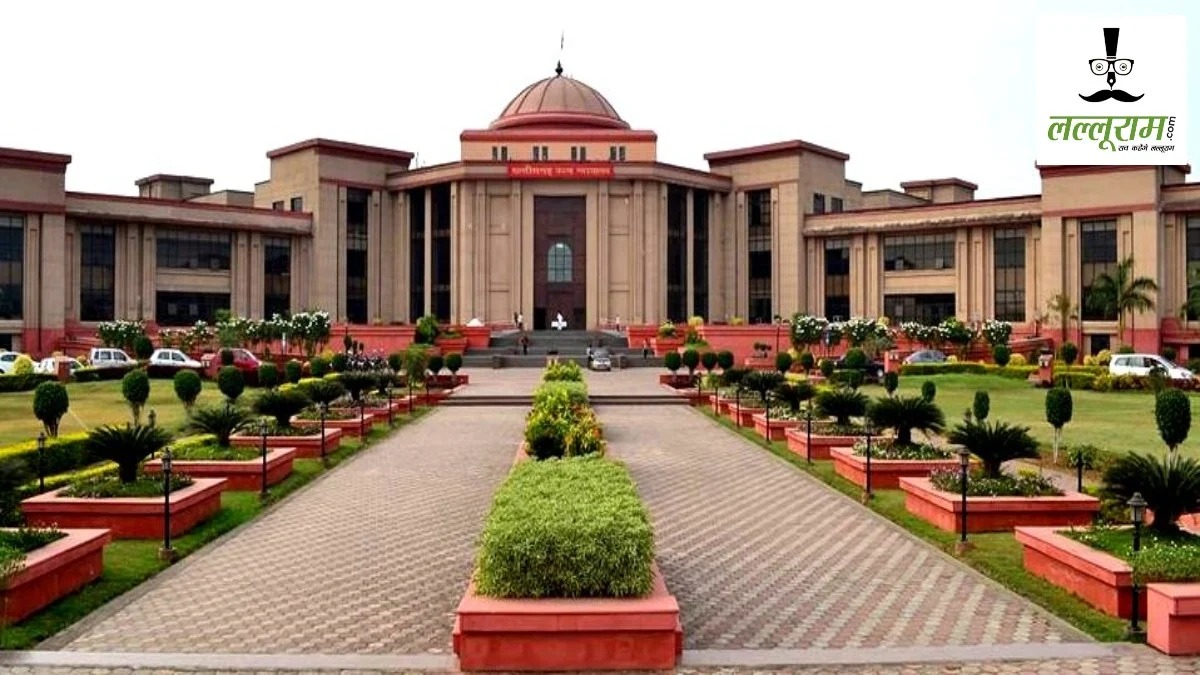
The appeal was taken to the High Court, which gave an important verdict regarding the salary of the abated period in the instant appeal. In the event an employee is found guilty in a criminal trial and dismissed from employment based on that conviction, and is successfully prosecuted on appeal, then the employee has no entitlement to be paid out the salary at issue during the period they have lost their job due to conviction and successful prosecution at appeal.
In such instances, the “no work, no pay” rule shall prevail, Ramesh Sinha, the chief justice, and Ravindra Kumar Agarwal, another member of the division bench, explained. The court has come to this verdict as it refused to entertain the appeal of a former employee of the electricity board.
In fact, Assistant Class-1 Civil was then promoted to the post of Supervisor Civil. He was lodged a case under the Prevention of Corruption Act, 1988. He was convicted by the Special Court and was discharged from his service by the competent authority. It brought an appeal in the High Court, which was heard by him after he reached retirement age. The Committee of Public Safety, summoned by the High Court, having heard the case, acquitted him of the charges.
The department then withdrew the order of dismissal, but refused to give actual salary and other pecuniary benefits for the period from dismissal to retirement. The employee appealed the action of the department to the single bench, but the single bench rejected his appeal. On which, while appealing in the double bench, it was argued that when the conviction was not committed, and he was acquitted, then he should get salary and allowances for the period during which he was out of service.
The high court reiterated various Supreme Court decisions saying that, “If an employee is removed from his service under a criminal case, then after his acquittal, he could not merely claim that any salary that is due from him is payable as a matter of right.