


NEW DELHI – The issue of a possible shortage of LPG is causing ripples in major cities of India, owing to the ongoing conflict in West Asia, which is affecting major shipping routes of energy supplies. While the government is assuring citizens of adequate supply, a combination of increasing prices and scarcity is causing panic buying of alternatives.
The reason for this is the disruption of supplies through the Strait of Hormuz, an important shipping route through which India receives almost 45 percent of its crude oil requirements and a substantial quantity of its LPG requirements. While the Union Ministry of Petroleum and Natural Gas has announced that domestic production has increased by 28 percent, the commercial sector is already feeling the pinch of this shortage.
In the national capital, several canteens in schools and colleges, where food prices are expected to remain concessional for students, are already feeling the strain. One canteen at Jawaharlal Nehru University (JNU) has begun curtailing its menu.
The Delhi School of Economics (DSE) canteen has also temporarily removed, among other things, its iconic mutton dosa from the menu. Owner Souvik Gupta said, “If the situation continues, we may have to remove several more items because we cannot increase food prices in university establishments where the rates are fixed.”
In Mumbai, single-cylinder households are among the worst hit, prompting many residents to take leave from work so they can wait for a refill. Queues were seen from Kandivali in the western suburbs to Dharavi and Bhandup in the eastern suburbs, revealed sources.
Earlier this week, oil marketing companies (OMCs) announced a sharp hike in prices:
- Domestic LPG: Increased by ₹60, bringing the price of a 14.2 kg cylinder to ₹913 in Delhi.
- Commercial LPG: Increased by ₹115, with a 19 kg cylinder now costing approximately ₹1,884.
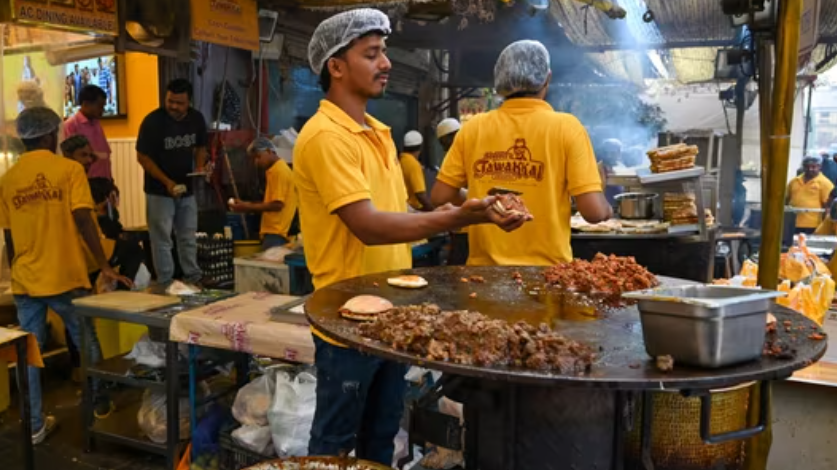
To safeguard household supplies, the government has invoked the Essential Commodities Act, prioritizing domestic cooking gas. However, this has led to a 35% supply cut for commercial users. In cities like Mumbai and Bengaluru, restaurants have begun curtailing menus, while some small eateries have shifted to coal or induction stoves to stay afloat.
Join our whatsapp group for Latest updates
Click Here for Chhattisgarh News
Click Here for Entertainment News